Choosing Upholstery for Marine Environments: UV, Salt Fog and Mold
Boats live in UV, salt fog and constant humidity. Learn which material properties actually matter for marine upholstery and what to ask your supplier.
Read More →Industry knowledge, certification guides and material science for silicone leather and custom patches.
Boats live in UV, salt fog and constant humidity. Learn which material properties actually matter for marine upholstery and what to ask your supplier.
Read More →PFAS are increasingly restricted in textiles. Here is what PFAS-free means for your upholstery, and why buyers in regulated markets are asking for it.
Read More →Two common abrasion numbers, two different machines. Learn what Martindale cycles and Wyzenbeek double rubs actually measure so you can compare suppliers fairly.
Read More →Some suppliers coat PU to feel like silicone. Learn the heat, smell, burn and water-droplet tests that separate the real material from the imitation.
Read More →PU and PVC are cheap, but they crack, stain and leach plasticizers. Here is how silicone leather compares on abrasion, cleaning, weathering and safety.
Read More →1. What is the difference between silicone leather and PU leather? Silicone leather is coated with food-contact silicone,…
Read More →Based in Ningbo, China, Jemery New Material specializes in eco-friendly silicone leather rolls and custom logo patches. We…
Read More →Buyers of marine upholstery material ask about certifications before they ask about price. NMMA Type Acceptance covers US…
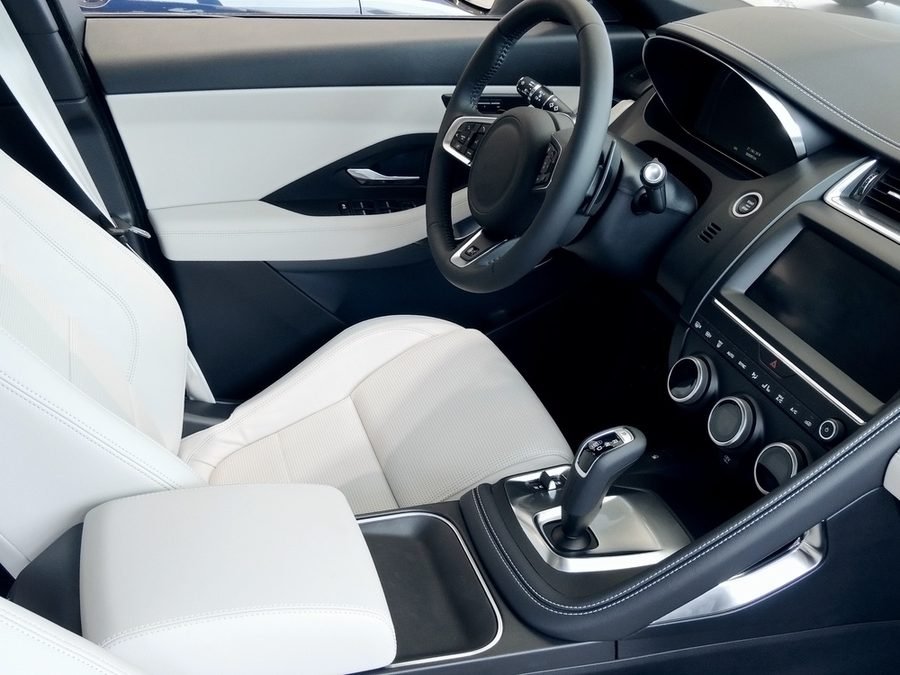
Read More →Seat covers, headliners and door panels face constant abrasion, UV exposure and temperature swings. Silicone leather outperforms PVC…
Read More →Silicone leather offers Martindale 20,000–50,000 abrasion cycles, 5+ years UV service life and 10–20 year hydrolysis resistance, and…
Read More →